Top 10 Best Jobs in Sports for 2025: A Complete Career Guide
For millions, the roar of the crowd and the thrill of the game are more than just a pastime; they represent a deep-seated passion. But what if you could turn that passion into a paycheck? The sports industry is a massive, multi-billion-dollar global enterprise, offering a vast array of career opportunities that extend far beyond the athletes on the field. From the strategic minds orchestrating team operations to the data analysts uncovering game-changing insights, the field is ripe with potential for dedicated professionals. Finding your place, however, requires a clear game plan.
This guide is designed to be your playbook, breaking down the 10 best jobs in sports. We'll move past generic advice and provide a comprehensive look at what it truly takes to succeed. For each role, we will detail the core responsibilities, typical salary expectations, and the specific qualifications and skills that employers are actively seeking. You'll gain a clear understanding of the career pathways, growth prospects, and the current market demand for each position.
We're not just telling you what the jobs are; we're showing you how to get them. This article includes practical, actionable steps for landing these coveted roles, including sample job titles and keywords to use when searching platforms like GetSportJobs. Whether you are a student mapping out your future, a recent graduate eager to break in, or an experienced professional considering a career pivot, this in-depth roundup will equip you with the essential knowledge to launch or advance your career in the dynamic world of sports. Let's get started.
1. Professional Athlete
For many, the ultimate dream job in sports is being on the field, court, or track itself. Professional athletes are the elite competitors at the heart of the industry, dedicating their lives to achieving peak physical and mental performance. They earn income through a combination of salaries from teams, prize money from competitions, and lucrative endorsement deals with brands. This role is the pinnacle of athletic achievement, reserved for the most talented and dedicated individuals.

While the public sees the glory of stars like LeBron James or Serena Williams, the reality is a life of relentless training, strict discipline, and immense pressure. The path to becoming a professional is one of the most demanding of all the best jobs in sports, often beginning in early childhood and requiring total commitment from the athlete and their support system.
How to Get There
The journey to a professional athletic career is a marathon, not a sprint, requiring a strategic, long-term approach. Aspiring athletes must focus on several key areas to maximize their chances of success in this hyper-competitive field.
- Early Specialization & Elite Coaching: Identify a sport you are passionate about and begin specialized training with qualified coaches as early as possible. Progress through youth leagues, high school teams, and collegiate programs to gain exposure and hone your skills against top-tier competition.
- Build Your Personal Brand: In today's market, athletes are also brands. Use social media to build a following, share your journey, and attract potential sponsors. A strong personal brand can lead to endorsement opportunities that supplement or even surpass your competition earnings.
- Mental and Physical Resilience: The professional sports world is unforgiving. Develop robust mental fortitude to handle pressure, setbacks, and public scrutiny. Implement injury prevention strategies, including proper nutrition, rest, and strength conditioning, to ensure career longevity.
- Post-Career Planning: The career of a professional athlete is often short. Work with financial advisors from day one to manage earnings wisely and plan for a second career after retirement from competition.
2. Sports Agent
Behind every high-profile athlete is a savvy negotiator and career architect known as a sports agent. These professionals act as the primary representative for athletes, handling everything from contract negotiations and endorsement deals to public relations and financial planning. They are the critical link between talent and opportunity, working tirelessly to maximize their client's earning potential and career longevity. The role demands a unique blend of business acumen, legal knowledge, and interpersonal skills.
While the career is often glamorized, as seen with figures like Scott Boras in baseball, the reality involves relentless networking, high-stakes negotiations, and a deep commitment to clients' best interests. A great agent is part mentor, part dealmaker, and part strategist, making it one of the most dynamic and influential jobs in sports.
How to Get There
Breaking into the world of sports agencies requires a strategic approach focused on building credibility, expertise, and a powerful network. Aspiring agents must prove they have the skills and connections to deliver results for their future clients.
- Master Negotiation and Contract Law: A deep understanding of contracts, collective bargaining agreements, and negotiation tactics is non-negotiable. Pursue a law degree (JD) or an MBA with a focus on sports management to build a strong foundation. For aspiring sports agents, understanding how income structures like commission-based pay work is essential for success in client representation.
- Obtain Necessary Certifications: Major professional leagues require agents to be certified. This involves passing an exam, undergoing a background check, and paying a fee. Earning certification from bodies like the NFLPA or MLBPA is a critical step to legally represent players in those leagues.
- Build Your Network Relentlessly: Start building relationships early. Intern at an agency like CAA or Wasserman, volunteer at sporting events, and connect with team executives, scouts, and financial advisors. Your network is your most valuable asset for recruiting clients and securing deals.
- Develop a Niche: Instead of being a generalist, develop expertise in a specific sport or a particular aspect of the business, such as marketing or international contracts. This specialization will differentiate you from the competition and attract a specific type of clientele looking for your unique skills.
3. Sports Medicine Physician
Behind every elite athlete is a team of experts dedicated to keeping them healthy and performing at their peak. Sports Medicine Physicians are licensed medical doctors who specialize in the prevention, diagnosis, and treatment of injuries related to athletic activity. They work with athletes of all levels, from weekend warriors to Olympic champions, providing everything from preventative care and performance optimization to complex injury rehabilitation. This role is one of the most intellectually demanding and rewarding of the best jobs in sports, combining medical expertise with a passion for athletics.
Often serving as team physicians for professional organizations like the NFL or NBA, these doctors are critical to a team's success. Their work involves more than just treating sprains and fractures; they manage chronic conditions, advise on nutrition, and develop protocols to minimize injury risk across an entire roster. The pressure to make high-stakes decisions that impact a player’s career and a team’s season is immense, requiring a unique blend of medical skill, empathy, and decisive leadership.
How to Get There
The path to becoming a Sports Medicine Physician is long and academically rigorous, demanding years of dedicated study and specialized training. Aspiring physicians must navigate a highly structured educational and professional ladder to succeed in this competitive field.
- Complete Medical School and a Fellowship: The foundational requirement is earning a medical degree (M.D. or D.O.), followed by completing a residency in a field like family medicine, internal medicine, or emergency medicine. Afterward, you must complete a specialized sports medicine fellowship, which provides focused, hands-on training in treating athletes.
- Gain Relevant Experience: Seek opportunities to volunteer or work as a team physician for local high school or college teams during your residency and fellowship. This practical experience is invaluable for building your resume and developing relationships within the athletic community.
- Obtain Board Certification: After your fellowship, achieve board certification by passing the Certificate of Added Qualifications (CAQ) in Sports Medicine exam. This certification is the gold standard in the field and is often a prerequisite for top-tier positions.
- Stay Current and Network: The field of sports medicine is constantly evolving. Stay informed about the latest treatment techniques, surgical procedures, and rehabilitation technologies. Attend industry conferences and build strong professional relationships with orthopedic surgeons, physical therapists, and athletic trainers.
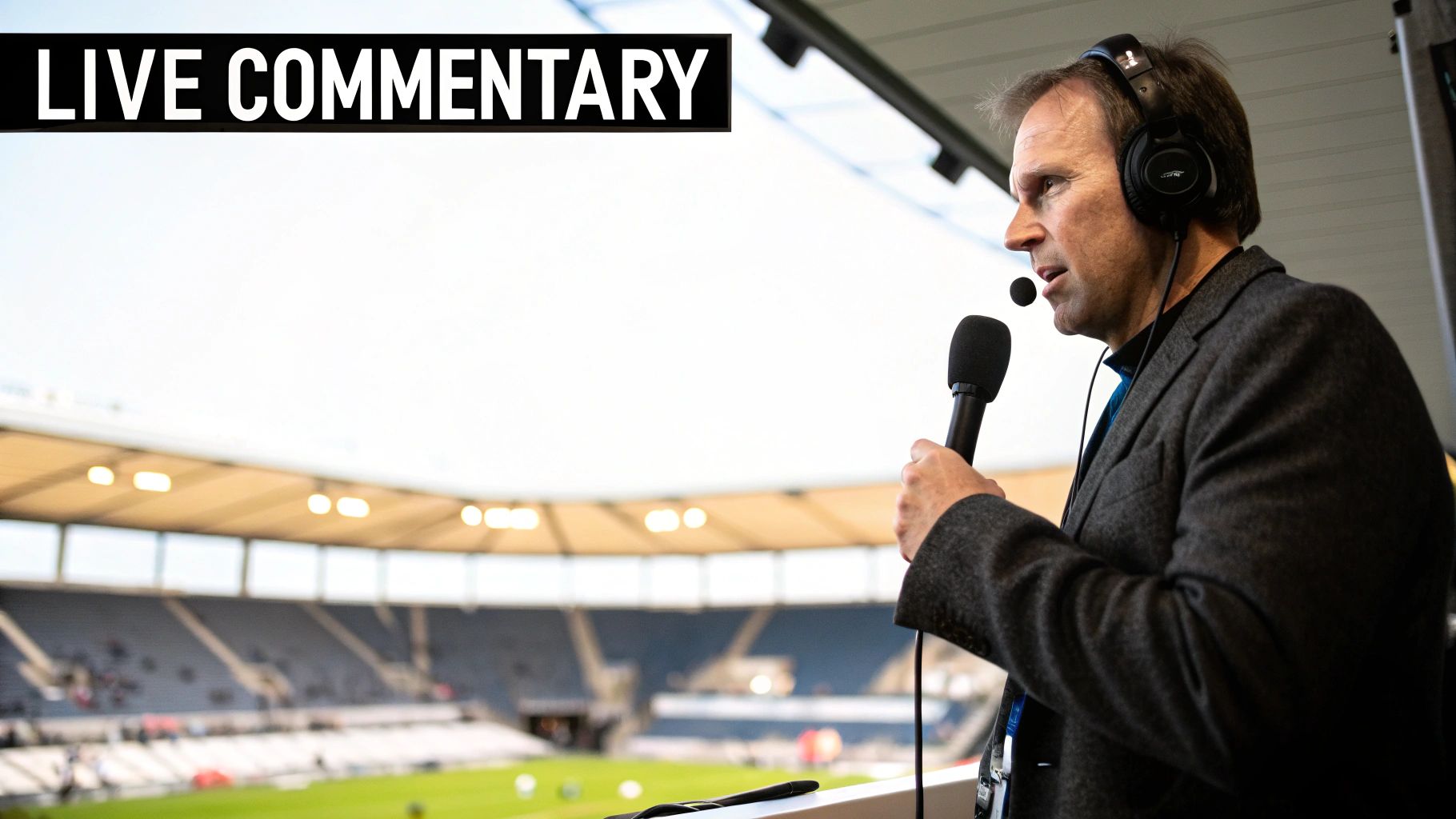
4. Sports Broadcaster/Commentator
The voice of the game, a sports broadcaster or commentator, is responsible for bringing the action to life for audiences everywhere. These media professionals provide live commentary, in-depth analysis, and engaging reporting on sporting events for television, radio, and streaming platforms. They are expert storytellers who translate the excitement on the field into a compelling narrative for fans at home, making this one of the most visible and best jobs in sports media.
From legendary voices like Vin Scully to modern personalities on ESPN, broadcasters shape how we experience sports. Their role requires a unique combination of deep sports knowledge, sharp analytical skills, and a commanding on-air presence. Whether calling a play-by-play, providing color commentary, or hosting a studio show, they are central to the fan experience.
How to Get There
Breaking into sports broadcasting is highly competitive and demands a blend of talent, persistence, and strategic career moves. Aspiring commentators must build their skills and portfolio from the ground up to capture the attention of major networks and production companies.
- Master Your Craft and Find Your Niche: Develop an encyclopedic knowledge of one or more sports. Start small by calling local high school or college games for campus radio or a local access channel. This foundational experience is crucial for building a demo reel and honing your unique on-air style.
- Develop Vocal and Communication Skills: A broadcaster's voice is their primary instrument. Invest in vocal coaching to work on articulation, pacing, and modulation. Practice public speaking and improvisational skills to think quickly and communicate clearly under the pressure of a live broadcast.
- Build a Digital Presence: Create a professional website or social media profile to showcase your demo reel, analysis, and sports commentary. Engaging with fans and sharing your insights can build a personal brand and demonstrate your passion and expertise to potential employers.
- Network and Seek Mentorship: Attend industry events and connect with established broadcasters, producers, and directors. A mentor can provide invaluable guidance, feedback on your work, and connections that can lead to career opportunities. Explore different roles within sports broadcasting to understand the industry fully.
5. Sports Manager/Administrator
Behind every successful team, league, or athletic department is a sharp, strategic leader making critical business decisions. Sports managers and administrators are the organizational backbone of the industry, responsible for the operational, financial, and strategic management that allows the games to be played and the business to thrive. They handle everything from budgets and personnel to venue operations and long-term business development, making this one of the most influential of all the best jobs in sports.
While athletes execute on the field, figures like Billy Beane of "Moneyball" fame or Masai Ujiri of the Toronto Raptors demonstrate the immense impact of front-office leadership. These professionals combine a passion for sports with a deep understanding of business principles, shaping rosters, securing financial health, and building franchises that last. This career path offers a way to lead in the sports world without being a competitor.
How to Get There
Ascending to a leadership role in sports management requires a blend of formal education, practical experience, and strategic networking. Aspiring administrators must build a strong foundation in business while immersing themselves in the sports industry from the ground up.
- Gain Relevant Education: A bachelor's degree in sports management, business, or finance is a common starting point. Many top-level executives, like university athletic directors and professional team general managers, hold advanced degrees like an MBA to gain a competitive edge.
- Start in Operations: Secure internships or entry-level roles in areas like ticket sales, facility operations, or community relations. This foundational experience provides invaluable insight into the day-to-day functions of a sports organization and helps build an essential professional network.
- Develop Financial Acumen: Strong analytical and financial skills are non-negotiable. Learn to analyze contracts, manage budgets, interpret data for scouting (sabermetrics), and develop revenue-generating strategies. This expertise is critical for making sound decisions that impact the organization's bottom line.
- Build Your Network: The sports business community is tight-knit. Attend industry conferences, connect with professionals on platforms like LinkedIn, and seek out mentors. The relationships you build are often as important as the skills you possess. Explore roles and learn more about a career as a Sports Manager/Administrator to see what opportunities are available.
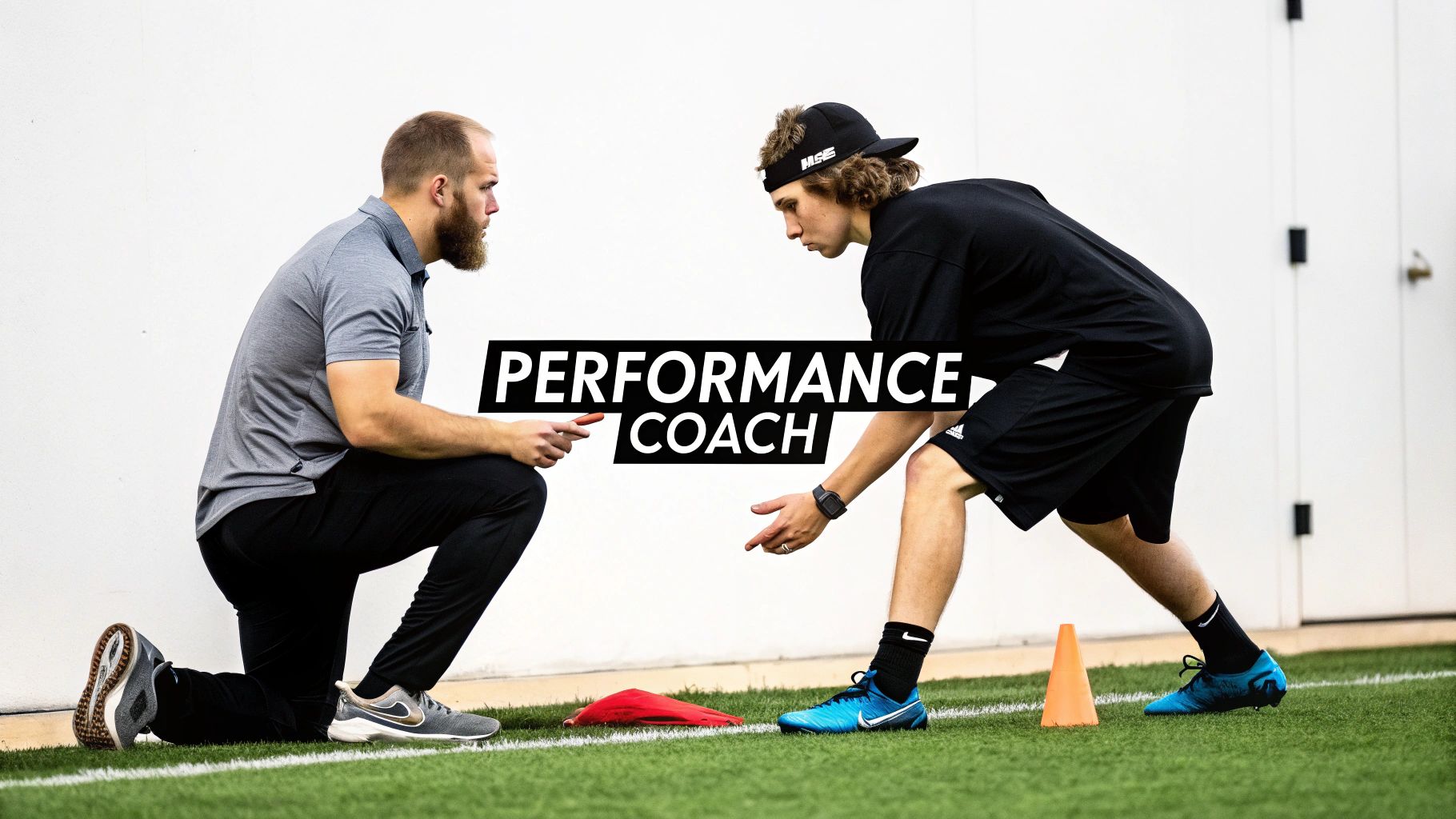
6. Sports Coach/Trainer
Behind every great athlete is a dedicated coach or trainer who provides guidance, strategy, and motivation. Sports coaches and trainers are the architects of athletic success, responsible for developing skills, designing training programs, and preparing athletes for competition. This role is fundamental to the sports ecosystem, shaping talent from youth leagues all the way to the highest professional levels.
While legendary figures like the NFL's Bill Belichick often come to mind, the field is incredibly diverse. It includes specialized strength and conditioning experts, personal trainers for elite athletes, and dedicated youth coaches who instill a love for the game. This career is one of the best jobs in sports for those who are passionate about teaching, strategy, and unlocking human potential, offering a direct impact on performance.
How to Get There
Building a successful coaching career requires a blend of deep sport-specific knowledge, leadership skills, and a commitment to continuous learning. Aspiring coaches must be strategic in building their experience and reputation to advance in this competitive field.
- Gain Certifications and Education: Obtain relevant coaching certifications from governing bodies like USA Track & Field or U.S. Soccer. A degree in kinesiology, exercise science, or sports management can provide a strong foundation, particularly for roles in collegiate or professional settings.
- Start at the Grassroots Level: Most coaching careers begin at the youth, high school, or recreational levels. These positions are invaluable for honing your teaching methods, learning to manage a team, and building a network of contacts within your chosen sport.
- Specialize Your Expertise: Differentiate yourself by developing a specialization. This could mean becoming an expert in a specific position (like a quarterback coach), a discipline (like strength and conditioning), or a modern approach like sports data analysis and performance science.
- Build a Reputation Through Results: Ultimately, a coach's success is measured by the performance and development of their athletes. Focus on creating positive outcomes, fostering a strong team culture, and documenting your successes to build a compelling track record that attracts higher-level opportunities.
7. Sports Journalist/Reporter
For those who love storytelling as much as the game, a career as a sports journalist or reporter offers a front-row seat to the action. These professionals are the narrative voice of the sports world, covering everything from game-day highlights and player interviews to in-depth investigative pieces on industry trends and controversies. They craft stories for newspapers, magazines, digital-first platforms like The Athletic, and major broadcasters.
Unlike a fan’s perspective, the sports journalist’s role is to provide objective, insightful, and compelling coverage. From beat reporters following a single team to columnists like Mina Kimes who offer broad analysis, these individuals shape public perception and provide the context behind the scores. This position is one of the best jobs in sports for individuals with a passion for writing, a curious mind, and the drive to uncover the truth.
How to Get There
Breaking into the competitive field of sports journalism requires a blend of traditional reporting skills and modern digital savvy. Aspiring reporters must be proactive in building their experience, expertise, and professional network to stand out.
- Build a Strong Portfolio: Your portfolio is your most valuable asset. Start by writing for a school newspaper, launching a blog, or contributing to local sports websites. Each published piece demonstrates your writing ability and commitment to the craft.
- Develop a Niche Expertise: While general sports knowledge is crucial, developing deep expertise in a specific sport or league can make you an indispensable resource. This specialization allows for more insightful analysis and can help you build a dedicated following.
- Embrace Multimedia and Data: Modern journalism is more than just text. Master skills in video production, podcasting, and data journalism to tell stories across multiple platforms. The ability to interpret and visualize analytics is becoming increasingly vital.
- Network Relentlessly: Connect with editors, established journalists, and industry professionals online and at sporting events. Building these relationships can lead to freelance opportunities, mentorship, and full-time job offers.
8. Sports Marketing/Sponsorship Executive
Behind every major sporting event, team, and league is a sophisticated business operation driven by marketing and sponsorship. Sports Marketing/Sponsorship Executives are the master strategists who create and manage the partnerships that fund the industry. They connect powerful brands like Nike, Gatorade, and Coca-Cola with sports properties to create mutually beneficial advertising and promotional campaigns, generating vital revenue and boosting brand visibility.
This role blends a passion for sports with sharp business acumen, creativity, and relationship-building skills. Executives at agencies like Octagon or within a team's front office are responsible for everything from identifying potential sponsors and negotiating multi-million dollar deals to activating marketing campaigns that engage fans. It's a high-stakes, results-driven field that sits at the intersection of commerce and competition, making it one of the most influential business-focused jobs in sports.
How to Get There
Building a career in sports marketing requires a combination of formal education, specialized skills, and a robust professional network. Success depends on understanding both the corporate world and the unique culture of the sports industry.
- Gain Business and Marketing Expertise: Pursue a degree in marketing, business administration, or sports management. An MBA can be highly advantageous for advancing to senior leadership positions, providing a strong foundation in finance, analytics, and strategy.
- Master Digital and Analytical Skills: Modern sports marketing is data-driven. Develop expertise in digital marketing channels, social media analytics, and tools for measuring sponsorship return on investment (ROI). The ability to prove value with hard numbers is critical.
- Build a Powerful Network: This field is built on relationships. Attend industry conferences, connect with professionals on LinkedIn, and seek informational interviews. Building connections with brand managers and corporate decision-makers is essential for sourcing and closing deals.
- Understand Sports Property Value: Learn to articulate what makes a team, league, or event a valuable partner. This includes analyzing fan demographics, media reach, and brand alignment to create compelling proposals for potential sponsors.
9. Sports Analytics Professional/Data Scientist
Pioneered by figures like Daryl Morey and popularized by the "Moneyball" revolution, the role of a sports analytics professional has become indispensable. These specialists are the strategic minds who collect, analyze, and interpret vast amounts of data to give teams a competitive edge. They use advanced statistics, machine learning, and data visualization to uncover hidden patterns, inform player recruitment, optimize game strategy, and enhance fan engagement. This is one of the best jobs in sports for those who love both numbers and the game.
From the Boston Red Sox analytics team to Liverpool FC's data science department, organizations across all major leagues now rely on data to drive crucial decisions. Sports analytics professionals work behind the scenes, translating complex metrics into actionable insights that can mean the difference between winning and losing. Their work is a blend of technical expertise and a deep understanding of the sport's nuances.
How to Get There
Breaking into sports analytics requires a unique combination of technical prowess and sports acumen. Aspiring data scientists in this field should focus on building a specific, high-demand skill set to stand out in a competitive job market.
- Master Technical Skills: Proficiency in programming languages like Python and R, along with database querying using SQL, is non-negotiable. Develop expertise in statistical modeling, machine learning algorithms, and data visualization tools to effectively process and present your findings.
- Build a Project Portfolio: Create a public portfolio (e.g., on GitHub) showcasing your analytics projects. Analyze publicly available sports datasets to demonstrate your ability to answer interesting questions, build predictive models, or create compelling data visualizations. Understanding detailed player metrics is crucial; for an in-depth look at football data, check out this Opta Player Stats: Ultimate Football Analysis Guide for examples of the data you might work with.
- Develop Sports Business Acumen: The best analysts understand the context behind the numbers. Learn the rules, strategies, and business operations of your target sport. Being able to communicate technical insights to non-technical stakeholders like coaches and general managers is a critical skill.
- Pursue Advanced Education: While not always required, a master's or Ph.D. in a STEM field like statistics, computer science, or data science can provide a significant advantage, particularly for senior-level roles. This advanced training equips you with the latest analytical techniques and theoretical knowledge. If you're ready to explore current openings, you can learn more about Sports Analytics Professional jobs on GetSportJobs.
10. Sports Facility Manager
Behind every thrilling game and unforgettable event is a perfectly managed venue. Sports facility managers are the operations professionals who oversee the day-to-day functions of stadiums, arenas, and training complexes. They are responsible for everything from safety and maintenance to event scheduling and large-scale facility improvements, ensuring the venue is always ready for prime time. This role is a cornerstone of the live sports experience, blending logistics, business management, and event execution.
While fans enjoy the action, the facility manager is orchestrating a complex ballet of vendors, security, maintenance crews, and event staff. From managing the turf at an NFL stadium like SoFi Stadium to coordinating operations at a university athletic center, this career path offers a dynamic and challenging environment. It is one of the best jobs in sports for individuals who are organized, detail-oriented, and thrive on solving logistical puzzles under pressure.
How to Get There
Building a career in facility management requires a blend of practical experience, business acumen, and specialized knowledge. Aspiring managers should focus on developing a diverse skill set to effectively oversee multi-million dollar venues and the events they host.
- Gain Hands-On Operations Experience: Start in entry-level operations roles at a local venue, community center, or university athletic department. This foundational experience in areas like event setup, security, or maintenance provides invaluable insight into the mechanics of running a facility.
- Develop Business and Financial Skills: Master budget management, financial forecasting, and vendor negotiation. A facility manager's success often depends on their ability to operate efficiently and profitably. Coursework in business administration or finance can be highly beneficial.
- Obtain Industry Certifications: Pursue certifications like the Certified Facility Manager (CFM) to validate your expertise and enhance your credibility. Staying current with safety regulations, ADA compliance, and sustainability practices is crucial for career advancement.
- Build Strong Vendor Relationships: A facility manager relies on a network of trusted contractors and suppliers for everything from concessions to security. Cultivate strong professional relationships built on reliability and clear communication to ensure seamless event execution.
Top 10 Sports Careers Comparison
| Role | Complexity 🔄 | Resources ⚡ | Expected outcomes ⭐📊 | Ideal use cases 💡 | Key advantages ⭐ |
|---|---|---|---|---|---|
| Professional Athlete | Very high — intensive lifelong training and competition 🔄🔄🔄🔄🔄 | Very high — coaching, facilities, medical, travel ⚡⚡⚡⚡ | Elite performance, top earnings, short peak window ⭐⭐⭐⭐⭐ | Top-tier leagues, endorsements, global competition | Highest earning potential; strong public profile |
| Sports Agent | High — legal, negotiation and relationship management 🔄🔄🔄🔄 | Moderate — networks, legal support, marketing ⚡⚡⚡ | Commission-based income tied to client success; variable scale ⭐⭐⭐⭐ | Contract negotiation, endorsement deals, career management | Lucrative commissions; long career longevity |
| Sports Medicine Physician | Very high — extensive education, clinical and surgical complexity 🔄🔄🔄🔄🔄 | Very high — medical training, facility access, specialized equipment ⚡⚡⚡⚡ | High job security, respected status, patient outcomes ⭐⭐⭐⭐ | Team medical staff, clinics, event medical coverage | High earnings; clinical authority; diverse settings |
| Sports Broadcaster / Commentator | Moderate — live performance and media production skills 🔄🔄🔄 | Moderate — studio/field equipment, travel, production teams ⚡⚡⚡ | High visibility, variable income based on platform reach ⭐⭐⭐ | Live events, analysis shows, streaming and radio coverage | Public recognition; multi-platform opportunities |
| Sports Manager / Administrator | High — strategic, financial and operational complexity 🔄🔄🔄🔄 | High — staff, budgets, facilities, stakeholder coordination ⚡⚡⚡⚡ | Stable leadership impact; organizational performance improvements ⭐⭐⭐⭐ | Team front office, athletic departments, league operations | Career stability; influence on organizational direction |
| Sports Coach / Trainer | High — technical programming and athlete psychology 🔄🔄🔄🔄 | Moderate — training facilities, certifications, support staff ⚡⚡⚡ | Direct athlete development and performance gains; income variable ⭐⭐⭐⭐ | Athlete development, team coaching, personal training | Direct impact on results; flexible work models |
| Sports Journalist / Reporter | Moderate — research, storytelling, deadline-driven work 🔄🔄🔄 | Low–Moderate — access to events, travel, digital tools ⚡⚡ | Byline recognition, varied income, audience influence ⭐⭐⭐ | Beat reporting, investigative pieces, feature writing | Access to exclusive stories; platform diversity |
| Sports Marketing / Sponsorship Executive | High — strategic partnerships and revenue optimization 🔄🔄🔄🔄 | High — marketing budgets, brand relationships, analytics ⚡⚡⚡⚡ | Significant revenue and brand impact when effective ⭐⭐⭐⭐ | Sponsorship deals, campaign management, fan engagement | Lucrative packages; creative and strategic impact |
| Sports Analytics Professional / Data Scientist | High — technical modeling plus sports domain knowledge 🔄🔄🔄🔄 | Moderate — data access, compute, tooling ⚡⚡⚡ | Measurable performance improvements and competitive edge ⭐⭐⭐⭐ | Player evaluation, strategy optimization, predictive modeling | Growing demand; remote work and high ROI |
| Sports Facility Manager | Moderate — operations, safety, scheduling complexity 🔄🔄🔄 | Moderate — staff, maintenance budgets, vendor networks ⚡⚡⚡ | Reliable venue operations and improved fan/athlete experience ⭐⭐⭐ | Stadium/arena operations, event coordination, facility upkeep | Stable employment; broad operational responsibility |
Make Your Next Career Move Your Best One
Navigating the vast and dynamic world of sports careers can feel like preparing for a championship game. It requires strategy, dedication, and a clear understanding of the field. Throughout this guide, we've explored ten of the best jobs in sports, moving far beyond the well-trodden path of professional athletes to uncover the diverse opportunities that power this multi-billion dollar industry. From the analytical minds of Sports Data Scientists to the strategic vision of Sports Marketing Executives, the roles we've detailed demonstrate that a successful career in sports is accessible from countless angles.
The journey from fan to industry professional is unique for everyone. A Sports Medicine Physician's path is paved with years of rigorous medical training, while a Sports Broadcaster might build their career through countless hours of local radio commentary and relentless networking. A Sports Agent grinds to build a client roster, and a Facility Manager masters the complex logistics of keeping a stadium running. What connects all these paths is a foundational blend of passion for the game and a specialized, marketable skill set.
Synthesizing Your Game Plan: Key Takeaways
As you reflect on the opportunities presented, several core themes emerge as crucial for anyone serious about building a career in this competitive landscape. Mastering these concepts isn't just beneficial; it's essential for long-term success.
- Specialization is Your Superpower: The sports industry is no longer a place for generalists. Whether it's mastering Python for analytics, understanding biomechanics for coaching, or learning the intricacies of contract law for agent work, deep expertise in a specific domain is what makes you valuable. Identify your niche and commit to becoming an expert in it.
- Networking is Non-Negotiable: Every role we've discussed, from journalism to management, is relationship-driven. Your network is your lifeline for opportunities, mentorship, and industry insights. Attending conferences, volunteering at events, and engaging with professionals on platforms like LinkedIn are not optional activities; they are core job-seeking functions.
- Passion Must Meet Practicality: A love for the game is the entry fee, but it won't sustain a career alone. You must translate that passion into tangible skills and a professional demeanor. Teams and organizations hire people who can solve problems and add value, not just enthusiastic fans.
Key Insight: The most successful professionals in sports are those who treat their career like an athletic discipline. They identify their strengths, work relentlessly on their weaknesses, study the competition, and seize opportunities with preparation and confidence.
From Playbook to Action: Your Next Steps
Information is only powerful when acted upon. Now that you have a comprehensive playbook detailing some of the best jobs in sports, it's time to get off the sidelines and into the game. Your next move is critical, so approach it with a clear, strategic mindset.
- Conduct a Self-Audit: Which role resonated most with your skills, personality, and long-term ambitions? Are you analytical and data-driven like a Sports Analytics Professional, or are you a natural communicator suited for broadcasting or marketing? Be honest about your strengths and where you need to grow.
- Target Your Skill Development: Once you've identified a target role or two, map out the required qualifications. Use the "Required Qualifications and Skills" sections from this article as a checklist. Do you need a specific certification? Should you take a course in data visualization or public speaking? Start filling those gaps today.
- Start the Conversation: Begin your networking outreach now. Identify professionals in your desired role on LinkedIn. Don't just ask for a job; ask for a 15-minute informational interview to learn about their journey. This approach builds relationships and provides invaluable, real-world insight that no article can offer.
Embarking on a career in sports is more than just finding a job; it’s about becoming part of a culture that inspires, entertains, and unites millions. The path requires resilience and hard work, but the reward is a career where your professional life and personal passion can truly intersect. The opportunities are out there, waiting for the right person with the right preparation and drive. That person can be you.
Ready to turn your passion into your profession? The best jobs in sports aren't just a dream; they are real opportunities waiting to be filled. Start your search on GetSportJobs, the premier job board dedicated exclusively to the sports industry, and connect with top teams, leagues, and brands actively hiring today. Find your next career move on GetSportJobs