Your Guide to Working at Events in the Sports Industry
If you've ever dreamt of working in sports but aren't destined for the field of play, you're in the right place. Working events is your backstage pass to the action, a way to soak in the electric gameday atmosphere while playing a vital part in creating those unforgettable moments for thousands of fans.
Your Backstage Pass to Sports Events
Feel the roar of the crowd and the heat of the stadium lights. Now, imagine you're one of the people making it all happen. That's what working at a sports event is all about. It’s not some exclusive club for ex-athletes; it’s a wide-open field for anyone with a good attitude, a strong work ethic, and a passion for the game. Think of a great event crew like a championship team—everyone has a specific job, and when they all do it well, the result is a seamless, incredible experience for the fans.
This guide will pull back the curtain and show you exactly how to get involved. Whether you're a student hunting for a flexible gig or someone building a full-blown career in sports management, you'll see just how many different doors are open.
Why Work at Sports Events?
The perks are about more than just being close to your favorite team. You’re building a powerful, real-world skill set that’s valuable in almost any industry. Getting that direct experience in a high-pressure, fast-moving environment looks fantastic on a resume.
A few of the biggest advantages are:
- The Unbeatable Atmosphere: Nothing compares to the energy and passion of live sports, and you get to be right in the middle of it.
- Flexible Schedules: Most of these jobs come with part-time, evening, and weekend shifts, making them a perfect fit around classes or another job.
- Real-World Skill Building: You’ll quickly get better at thinking on your feet, communicating clearly, and working with a team when the pressure is on.
- Incredible Networking: You'll meet and work alongside everyone from event managers to team executives, building connections that can open doors down the road.
Think of it like this: The athletes are the actors on stage, but the event staff is the entire production crew. You're the stage managers, the lighting techs, and the audio engineers—the essential people who make sure the show goes off without a hitch.
A World of Opportunity Awaits
Putting on a major sporting event takes a small army, and the variety of jobs might surprise you. The best part? You don’t need a fancy degree to get your foot in the door. It’s all about finding a role that clicks with your personality and what you’re good at.
To give you an idea of what's out there, here's a quick look at the kind of work that makes gameday happen.
Sports Event Careers at a Glance
This table breaks down the essentials of what it means to work in sports events, from the benefits to the first steps you can take.
| Key Aspect | Description | Example |
|---|---|---|
| Benefits | Flexible hours, exciting atmosphere, and valuable resume experience. | A college student works weekends as an usher to earn money and gain customer service skills. |
| Common Roles | Guest services, ticketing, security, concessions, and event operations. | Scanning tickets at the gate, directing fans to their seats, or working a concession stand during halftime. |
| First Steps | Focus on customer service skills and search specialized job boards. | Tailor your resume to highlight reliability and teamwork, then browse listings on platforms like GetSportJobs. |
As you can see, there’s a role for almost everyone. Now, let’s dive deeper into the specific jobs that bring a sporting event to life.
Exploring The Roles That Power Gameday
A major sports event is like a finely tuned play—everything seems effortless, but behind the scenes, a specialized cast is in perfect sync. Each person has a defined spot, and together they create a memorable experience for every fan.
Think of the game itself as center court; the event team is the support network that builds the stage, steers the crowd, and keeps energy levels high from the first ticket scan to final cleanup.
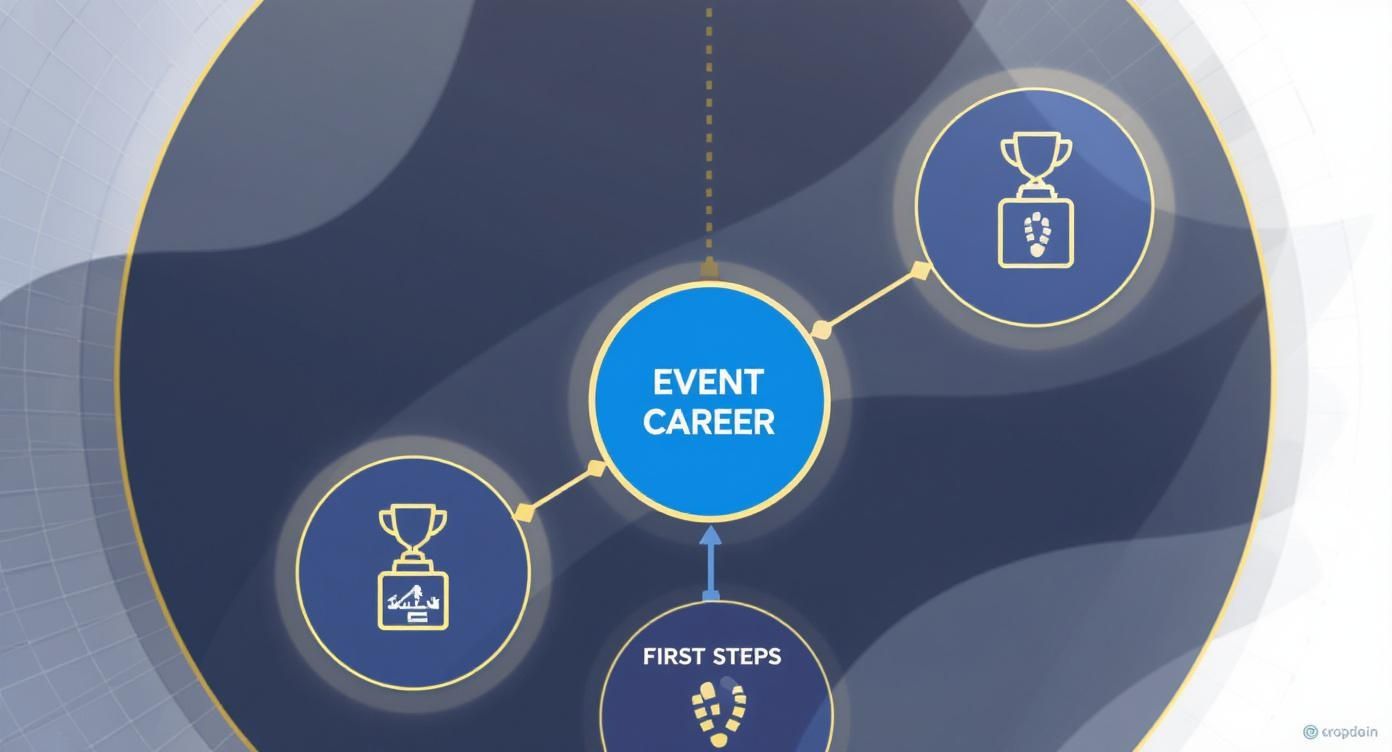
This visual map shows how different roles, key benefits, and smart first moves connect to form a clear pathway into sports event work.
Event Operations The Logistical Masterminds
Event operations staff are the meticulous planners who coordinate every detail. From setting up signage to organizing halftime show gear, they handle the nuts and bolts of venue management.
Responsibilities Often Include:
- Coordinating vendor deliveries and parking layouts
- Setting up equipment and monitoring inventory
- Ensuring health and safety standards are met
Who Excels Here?
- Organized Planners: Detail enthusiasts who thrive on checklists.
- Quick Thinkers: Those who adapt swiftly to sudden changes.
- Hands-On Workers: Individuals who enjoy staying active all day.
If you’re aiming for a career in sports facility management, start here. For a deep dive into long-term options, check our guide on event management roles in sports.
Guest Services The Architects Of Fan Experience
Guest services is the front-line team that shapes every attendee’s journey. From scanning tickets to directing crowds, they create a friendly atmosphere and solve issues on the fly.
Key Duties:
- Greeting fans with a positive attitude
- Assisting with seating or accessibility requests
- Answering questions about amenities and services
“Guest services is less about enforcing rules and more about creating joy.”
A successful team member here is naturally outgoing, communicates clearly, and remains calm under pressure—especially when handling a frustrated fan.
Concessions And Hospitality Fueling The Fans
Concessions pros keep the crowd energized and the lines moving, especially during peak moments like halftime. This role mixes speed with accuracy and a dash of customer flair.
Typical Roles:
- Cashier or order-taker at general stands
- Food and beverage preparer
- Server in premium lounges or suite areas
In this fast-paced setting, efficiency is vital—and so is a friendly smile. With the global events market growing at 13% annually through 2028 and 89% of professionals reporting staffing shortages, every shift is an opportunity to shine.
Security The Silent Guardians
Security teams lay the groundwork for a safe and orderly event. They watch for potential issues, guide crowd flow, and step in if a situation demands it.
Core Tasks:
- Monitoring entrances and patrol routes
- Communicating with fellow staff and emergency contacts
- De-escalating conflicts through calm interaction
Who Fits Best?
- The Vigilant Observer: Notices small details before they become problems.
- The Calm Communicator: Speaks with authority and empathy.
- The Team Player: Relies on clear, prompt communication with colleagues.
Comparing Key Sports Event Roles
Before you pick your position, compare major event jobs side by side. This table highlights their core duties, skill levels, and typical settings.
| Role Title | Primary Duties | Skill Level (Entry/Mid/Advanced) | Work Environment |
|---|---|---|---|
| Event Operations | Logistics, vendor coordination, equipment setup | Entry to Advanced | Indoor/Outdoor Venues |
| Guest Services | Ticket scanning, seating assistance, fan support | Entry to Mid | Concourse, Main Entrances |
| Concessions & Hospitality | Food prep, sales transactions, customer service | Entry to Mid | Concession Stands, Suites |
| Security | Access control, patrolling, crowd management | Mid to Advanced | Stadium, Parking Lots |
By matching your strengths to these descriptions, you can zero in on the role that fits your style and goals.
Whether you’re drawn to behind-the-scenes coordination or front-row fan interaction, the sports events world is wide open. Pick a role, prep your skills, and get ready for game day.
Building Your Essential Event Success Toolkit
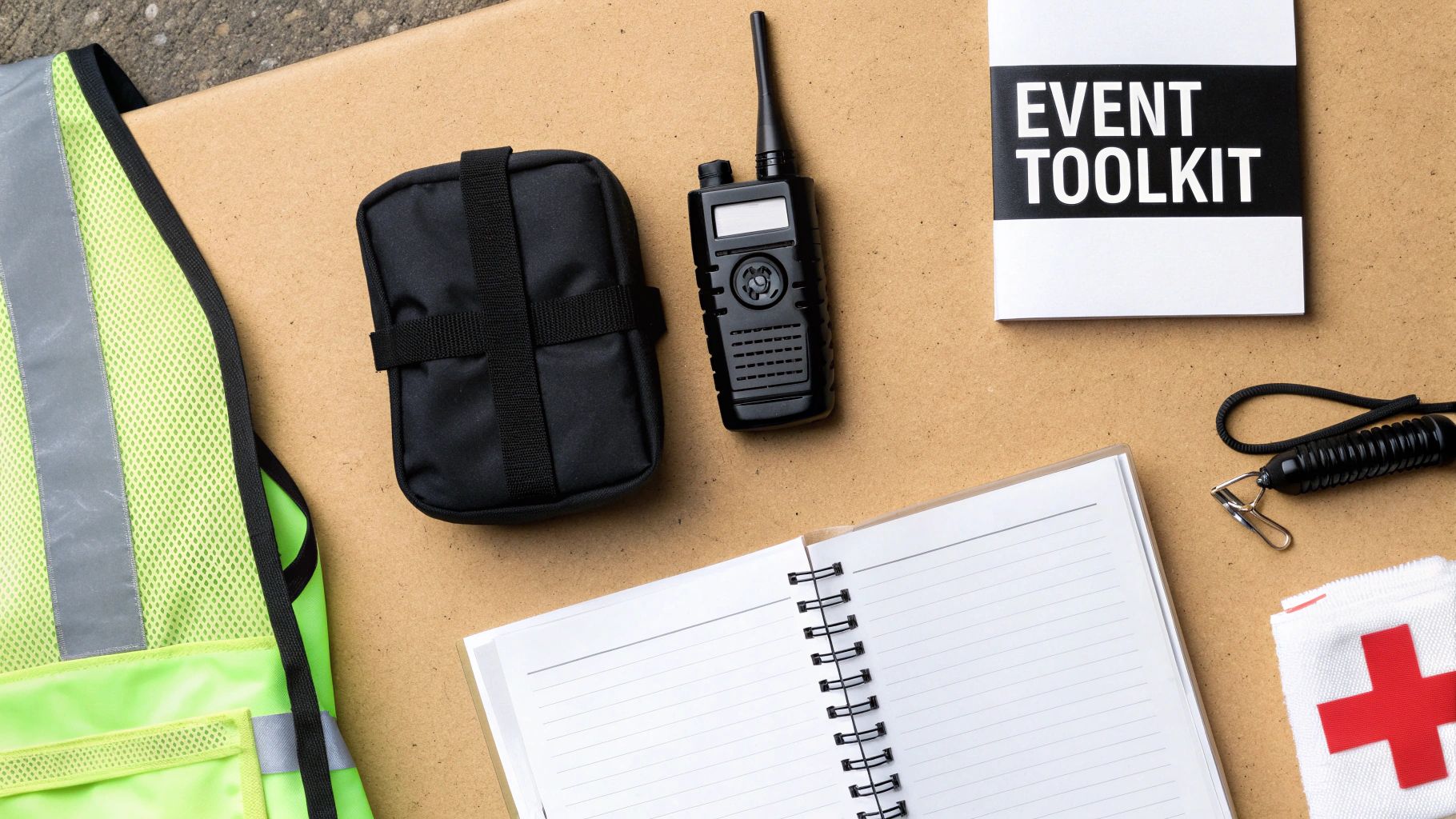
Under the bright lights of a stadium, skills beyond raw enthusiasm carry you through. Mixing hard and soft abilities gives you a complete package.
Consider communication your walkie-talkie—reliable and clear. And problem solving? That’s your trusty multi-tool the moment plans go off script.
- Clear Communication keeps everyone on the same page.
- Quick Problem Solving turns surprises into smooth transitions.
- Collaborative Spirit syncs efforts so that every piece of equipment moves without a hitch.
Building these soft skills is your first step toward leading teams behind the scenes. Certification then proves your readiness to employers and helps your resume stand out.
Soft Skills You Can’t Be Without
Empathy lets you sense the crowd’s mood before tensions rise. Active listening transforms a fan comment into an opportunity to impress. Handling pressure with calm confidence becomes non-negotiable once the gates open.
- Mirror Body Language to build instant rapport.
- Practice Clear Briefs before each shift to keep everyone aligned.
- Request Real-Time Feedback after an event to highlight areas for growth.
Certifications like first aid and crowd management add weight to your CV and show you mean business.
Essential Hard Skills And Certifications
Operating AV systems with precision makes sure every announcement and spotlight hits the mark. A solid grasp of ticketing software keeps lines moving swiftly at the gates.
- First Aid certification equips you to handle medical emergencies confidently.
- Crowd Management credentials teach you strategies for fluid, safe crowd control.
- OSHA Safety training grounds you in hazard recognition and accident prevention.
Most of these credentials come through concise courses and hands-on drills, so you’ll apply what you learn as you go.
Learn more about these trends in event staffing on StaffConnect.
Turning Skills Into Career Growth
Once you’ve proven your mix of talents, paths open up beyond the entry-level gig. Steady performance and added certifications can push you into roles like team lead or event coordinator.
- Update your resume with achievements and keywords using the GetSportJobs Resume Analyzer.
- Seek mentorship from veterans in event operations or guest services.
- Volunteer for extra shifts to demonstrate reliability and expand your network.
A positive attitude remains your best asset—managers notice who brings energy and calm under pressure.
Practical Gameday Checklist
Preparation is the invisible tool that powers every successful event.
- Pack essentials: ID badge, radio, water, and safety gear.
- Confirm your shift schedule and arrival time with your supervisor.
- Test communication devices and check software access.
- Review emergency protocols and map out key locations.
This checklist turns last-minute chaos into a clear set of steps you can rely on.
Next Steps For Aspiring Event Pros
Start by mapping out your current skills and certifications to spot your growth areas. Filling gaps with targeted training boosts your chances on specialized sports event boards.
- Seek shifts in different roles to build a broad skill portfolio.
- Leverage feedback logs to track improvement and set measurable goals.
Treat each event as a live workshop for your toolkit, and you’ll open doors to higher-paying, more impactful positions.
Get ready.
How to Find and Land Your First Sports Event Job
You've got the skills and the drive—now it's time to get on the hiring manager's radar. Landing a job working at events isn't some secret club; it’s about knowing where to look and how to tell your story. Think of this as your playbook for turning interest into an official offer.
Trying to find a job by blasting your resume across massive, all-purpose job sites is like a Hail Mary pass. Sure, it might connect, but the odds are stacked against you. A targeted strategy, on the other hand, is like a well-executed drive down the field, moving you closer to the end zone with every step.
Where to Find the Best Opportunities
When you're hunting for event jobs, focus is everything. While the giant job search engines cast a ridiculously wide net, you end up having to sift through page after page of irrelevant listings. Specialized job boards are way more efficient.
Platforms built specifically for the sports industry, like GetSportJobs, are curated. That means every single role you see is relevant, saving you a ton of time and connecting you directly with the people doing the hiring. These niche sites are basically the digital locker rooms where teams and venues post their open positions.
Here's where to concentrate your search:
- Specialized Sports Job Boards: This should be your first stop. They cut out all the noise and get you straight to the good stuff.
- Team and Venue Websites: Don't forget to go directly to the source. Many organizations post openings on their own "Careers" or "Employment" page first.
- Staffing Agency Websites: Companies that specialize in event staffing are goldmines, as they often recruit for multiple venues across an entire region.
Crafting a Winning Resume
Your resume is your personal highlight reel. For event roles, hiring managers aren't expecting a long list of complex technical skills. What they're really scouting for is reliability, a customer-first attitude, and proof that you can be a great teammate.
You need to frame your past experiences—even if they're from retail, food service, or volunteering—to spotlight those exact traits. Use strong action verbs to describe what you did and show you're someone they can count on.
Pro Tip: Put numbers to your experience whenever you can. Instead of just saying "Handled customer inquiries," try something like, "Assisted over 100 guests per shift with seating and venue questions, maintaining a 98% positive feedback score."
This simple tweak gives hiring managers concrete proof of what you're capable of. It shows you get that working at events is all about creating an amazing fan experience through teamwork and hustle. And be sure to look through various part-time sports event job listings to see what keywords and skills employers are looking for right now.
Nailing the Interview
The interview is your championship game. This is your moment to prove you have the energy and proactive mindset to thrive in a high-octane environment. Hiring managers for these roles want to see that you can think on your feet and keep a positive attitude when things get hectic.
Get ready to answer questions that test your problem-solving and people skills. They want to know how you'd handle a lost kid, a frustrated fan, or a last-minute change to your duties.
Common Interview Questions and How to Answer Them
"Why do you want to work at our events?"
- What they're really asking: Are you genuinely excited to be in this environment?
- How to answer: Connect your personal passion for sports or live events with a desire to help create a great fan experience. Mentioning the specific team or venue shows you’ve done your homework.
"Describe a time you dealt with a difficult customer."
- What they're really asking: Can you stay calm and professional under pressure?
- How to answer: Use the STAR method (Situation, Task, Action, Result). Briefly set the scene, explain what your goal was, detail the exact steps you took to fix it, and share the positive outcome.
"This job requires long hours on your feet and a fast pace. How do you handle that?"
- What they're really asking: Are you physically and mentally ready for the grind?
- How to answer: Point to past experiences that required stamina and a high-energy approach, like working in a busy restaurant or a retail stock room during the holidays.
The event staffing world is huge and always moving. The global market is projected to hit $650 billion in 2025. And while the U.S. market is adjusting, it's still expected to grow 5% next year to reach $198 billion. Much of that growth is coming from IT and digital roles, which are becoming essential for running modern events. You can read more about the trends shaping the global staffing market to see the big picture. By following a focused strategy, you’ll be in the perfect position to grab one of these opportunities.
Your Gameday Playbook: Nailing Your First Shift
Your first day working a live event is your audition. It’s your chance to prove you can handle the pace, think on your feet, and be a reliable part of the team that makes the magic happen. Showing up is the bare minimum; success comes from being prepared, confident, and ready to contribute from the second you walk through the gate.
This is your playbook. It's packed with real-world tips I've picked up over the years to help you navigate your first shift like you’ve been doing this for seasons.
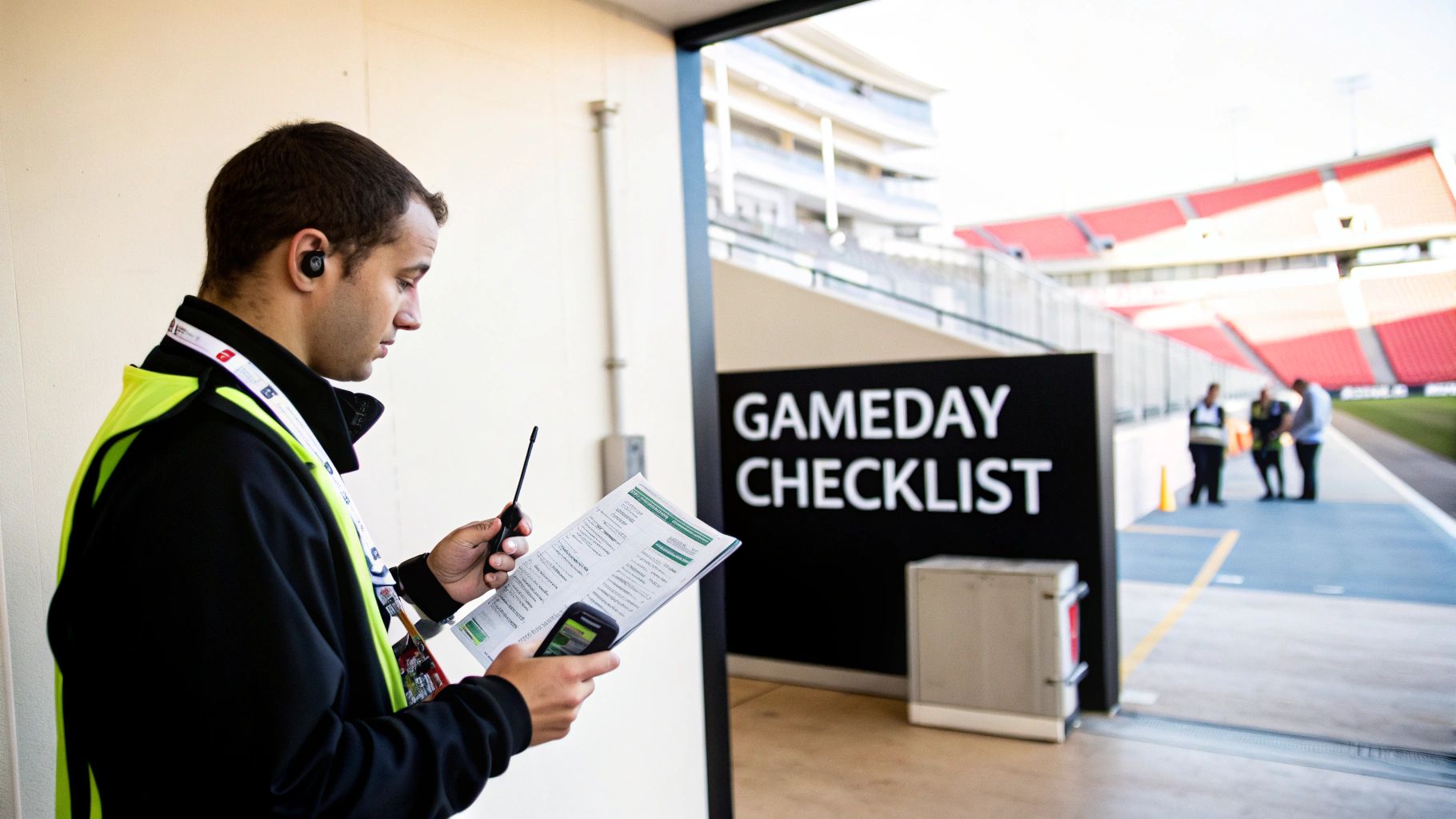
A great first impression starts the night before. Seriously. Double-check your start time, which gate you need to enter through, and where you're supposed to be for your pre-shift briefing. Map out your route, but add extra time for the insane traffic and parking nightmares that always come with a big event. Aim to be there 15-20 minutes early. In this world, being on time is late, and punctuality is the first thing a manager notices.
Your Pre-Event Checklist
Before walking out the door, do a quick gear check. Having your essentials sorted means you can focus on your actual job instead of panicking because you forgot something basic.
Throw these in your "go-bag":
- Identification and Credentials: Don't forget your ID, event badge, or any other paperwork they told you to bring.
- Comfortable Footwear: This is non-negotiable. You’re going to be on your feet for hours. Supportive, closed-toe shoes will save you.
- Weather-Appropriate Gear: A rain jacket for an outdoor stadium or an extra layer for a cold arena can be a lifesaver.
- Personal Items: Pack a reusable water bottle, some snacks for your break (don't count on getting free food), and a portable phone charger.
This simple prep work prevents a ton of common headaches and immediately signals to your supervisor that you're a pro.
Understanding the On-Site Chain of Command
Once you're on-site, your first mission is to figure out who's who. Every event has a clear pecking order, and knowing who to go to for what is critical when things get hectic.
You'll almost always report to a Team Lead or Zone Supervisor. This is your go-to person for questions, break schedules, and any problems that pop up in your area. Above them, you’ll likely have an Operations Manager running the whole show. Pay close attention during the pre-shift meeting when these people are pointed out.
Knowing who to call for a medical emergency versus who to call for a ticketing issue is a game-changer. It lets you act fast and look like you know what you’re doing—because you will.
Radio etiquette is another skill you’ll need to master. When you get on the radio, speak slowly and clearly. Keep it short and to the point. Always say who you are and where you are. Instead of yelling, “There’s a problem at the gate!” into the mic, say: “This is Sarah at Gate C. A fan needs medical assistance.” Specifics matter.
Staying Cool in a Hectic Environment
Finally, remember that you are the face of the event. Your attitude reflects on everyone. You have to stay positive and helpful, even when you're dealing with a difficult fan or a logistical nightmare. Your primary job is to make sure the fans have a great time, and a professional, calm demeanor is your best tool.
If you follow this playbook—get prepared, know your role, and communicate like a pro—you won't just get through your first shift. You'll stand out. It’s that proactive approach that gets you noticed and leads to more opportunities down the road.
From Gameday Gig to a Career in the Big Leagues
That first shift scanning tickets might just feel like a way to make some extra cash, but you're actually stepping onto a well-worn path in the sports industry. Working events isn't just a side hustle; it’s a hands-on training ground for building a real, long-term career.
Think about it: every senior leader, from the Event Director to the Head of Operations, started somewhere. Today's reliable ticket scanner is tomorrow's Guest Services Manager. The usher who proactively helps a lost family becomes next season's Venue Coordinator. The path is right there for anyone willing to learn, observe, and connect the dots.
Charting Your Career Trajectory
Picture your event career like a team's journey through a tournament bracket. You start with the foundational roles, prove you've got the skills, and then you advance. Each position you master adds new tools to your belt and gives you a bigger picture of what it takes to pull off a massive event.
A typical progression might look something like this:
- Entry-Level Roles: You’ll likely start as an usher, ticket scanner, or concessions worker. This is where you learn the absolute basics of fan interaction and how a venue really flows on game day.
- Team Lead or Supervisor: Once you’ve shown you’re reliable and can handle pressure, you can move up to oversee a small crew during events. This is your first taste of leadership.
- Coordinator Roles: With some supervisory experience under your belt, you’re ready to jump into a full-time coordinator position in an area like Volunteer Management, Guest Services, or Event Operations.
- Management and Director Positions: Over a few years of solid work, you can climb to senior roles like Operations Manager or even Event Director, where you're responsible for planning and executing entire seasons.
The secret to moving up? Treat every single shift like an audition. Pay attention to how different departments collaborate, ask smart questions, and build a reputation as the person who solves problems, not just points them out.
The Power of Networking and Mentorship
While you're working, your colleagues and supervisors are your single greatest asset. The connections you make while setting up barricades or managing a long line are the very same ones that will lead to full-time job offers down the road. Make a real effort to learn people's names and what they do.
Better yet, find a mentor—maybe a seasoned supervisor or manager you admire. Ask them about their own career path and what skills you should be working on. A good mentor can give you priceless advice, recommend you for promotions, and give you a heads-up on openings you would've otherwise missed. When you combine constant learning with genuine networking, that initial gameday gig transforms into a rewarding career in the big leagues.
Frequently Asked Questions About Working at Events
Jumping into event staffing means diving headfirst into lively crowds, tight deadlines, and a team working like clockwork. It’s one of those rare part-time roles where every shift delivers a new challenge—and a rush of adrenaline.
These FAQs will walk you through the essentials: pay, scheduling, required experience, and the training that gets you ready. By the end, you’ll know exactly what to expect—and how to show up prepared.
Typical Pay And Shifts
Entry-level event roles usually pay by the hour, and they often match what you’d see in restaurants or retail. Factors like venue size, location, and your specific assignment all play into your final rate. In many stadiums, pay ranges from $12–$20 per hour, with some big-name events offering even more.
- Hourly Wage Range: $12–$20
- Tip Opportunities: Concessions and hospitality gigs often let you keep a share of tips
- Shift Lengths: Most run between 4 and 12 hours
- Scheduling: Choose on-call slots or book by the event
Always double-check the pay rate, tip policy, and exact shift times before you lock in. That way there are no surprises on payday.
73% of event staff say flexible schedules are the biggest perk of this work
Once you commit to a shift, reliability becomes your greatest asset. A no-show doesn’t just leave a hole in the team—it can hurt your chances of landing the next gig.
Experience Flexibility And Training
You rarely need a background in stadium operations to get started. What really matters are soft skills: clear communication, a can-do attitude, and the ability to work smoothly with a crew. Customer service or retail history? That’s a bonus.
- Explaining seating layouts or safety rules clearly
- Thinking on your feet when plans change last minute
- Syncing up with supervisors and fellow staff
Most schedules run on evenings and weekends, making this ideal for students or anyone juggling a second job. Just remember: once you’re on the roster, show up ready to work.
Training usually happens on site. You’ll join a pre-event briefing covering everything from venue maps to radio checks. Expect hands-on walkthroughs, emergency drills, and a checklist that ensures you won’t miss a beat.
“A solid pre-event briefing turns nervous first-timers into confident pros.”
That kind of prep means you’ll be comfortable with anything—from scanning tickets at the gate to guiding a crowd during an unexpected rain delay.
If you’re ready to start working at events, find listings on GetSportJobs. Use filters for location, role type, and event scale to zero in on the perfect opportunity.
Looking for your next shift or long-term role? Check out GetSportJobs for hundreds of sports event listings and apply in minutes: https://www.getsportjobs.com